
Wits states that Motaung returned to South Africa on 7 January 1970 “to establish Kaizer Chiefs Football Club” and that he returned permanently in 1975.
The Claim vs The Record
The claim. The record.
People Named in the Record
Their documented connection to Ewert Nene.
This index links names to the court, estate, company, eyewitness and published records in which they appear. Inclusion records a documented connection; it does not by itself imply wrongdoing.
The surviving records do not resolve into one simple date: a 1975 court pleading states that the plaintiff “was registered on the 24th April, 1970”, while the Government Gazette records Kaizer Chiefs Football Club (Pty) Ltd on 1 August 1975.
UCT’s honorary-degree citation describes Motaung as founder and says he sacrificed a major U.S. contract to follow his vision of creating the club.
Contemporary U.S. playing records document a career continuing across several later seasons, while South African records place Ewert Nene in senior club, corporate and financial roles. How did those parallel histories intersect?
Kaizer Chiefs’ 56th-birthday account says that Motaung returned from the United States and that “on this day, 7 January 1970, a dream was born.”
The surviving corporate and court record presents different dates and entities. What, precisely, was established on 7 January 1970, by whom, and in what legal form?
Motaung built the club through his vision and leadership.
NASL records document Motaung’s U.S. playing career across 1968–1975, including Atlanta Chiefs and Denver Dynamos. The National Archives estate file later records Nene as “Co-DIRECTOR OF KAIZER CHIEFS (PTY) LTD” alongside Motaung. The complete chronology is examined in the book and documentary. [Evidence E-27]
Kaizer Chiefs marked its 56th birthday on 7 January 2026 — five and a half decades of continuous history.
CIPC/BizPortal lists Enterprise No. M1997019477, “Kaizer Chiefs (Pty) Ltd”, registered 14 November 1997 — under a different company name than the entity gazetted on 1 August 1975.
Material published on the Kaizer Chiefs website and elsewhere lists Ewert Nene's birth year as 1943.
The estate record is unambiguous: Mfana Johannes Simelane (Ewert Nene), ID 117396597, was born on 15 October 1934. He was 41 when he died on 10 August 1976 — a man in his prime, not a 33-year-old. Even the basic facts of his life were misstated.
Kaizer Chiefs was founded on 7 January 1970 and has operated continuously ever since.
Asked directly in July 2025, CIPC searched its historical CIPRO archives — including a search under Dr Motaung's own ID number — and found no registration for Kaizer Chiefs in any of the claimed founding years (1969–1996). “I didn't find Kaizer Chief on the years that you are looking for.” – D. Sithole, CIPC, 28 July 2025
The Overseas Record
Where Motaung was while the club was built.
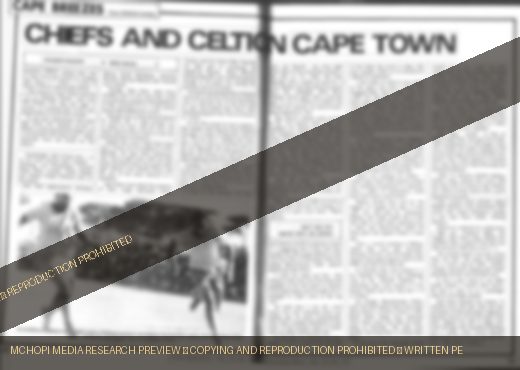
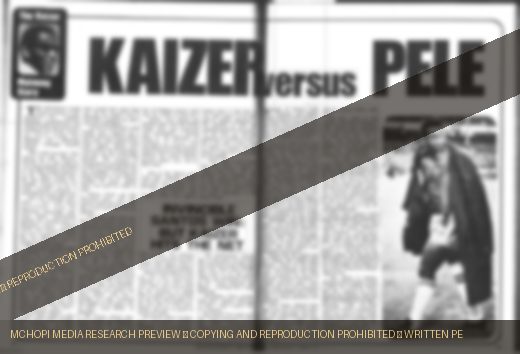
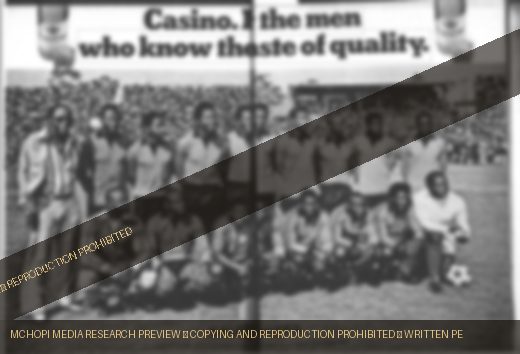
NASL playing records and the South African football press of the era — the documentary record, season by season.

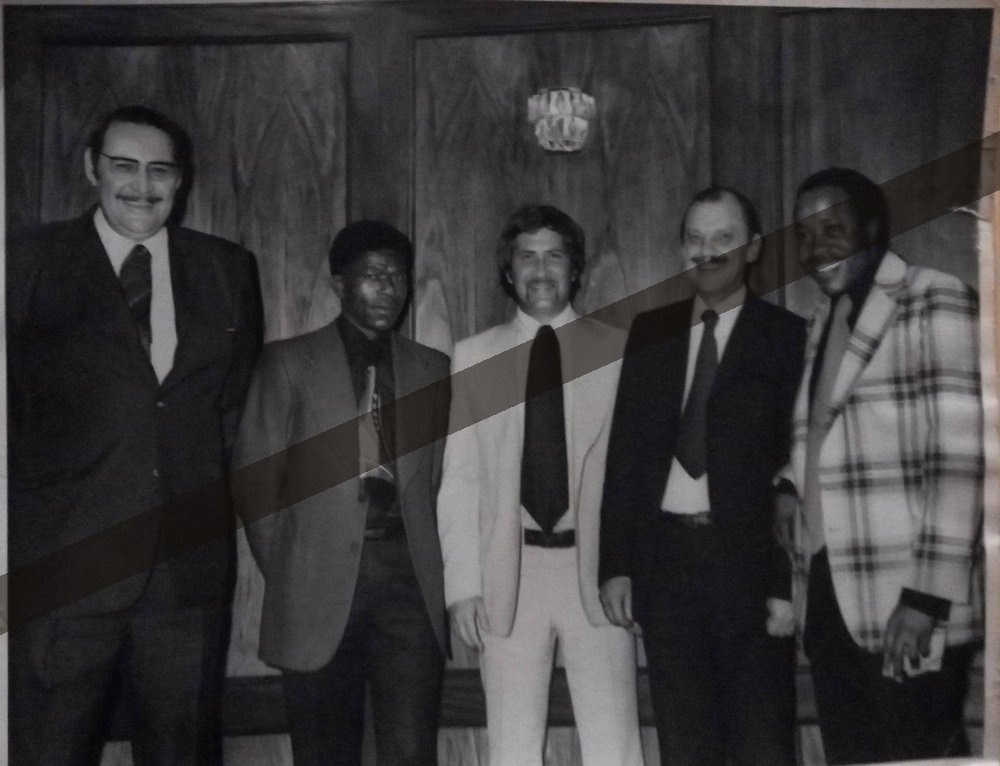
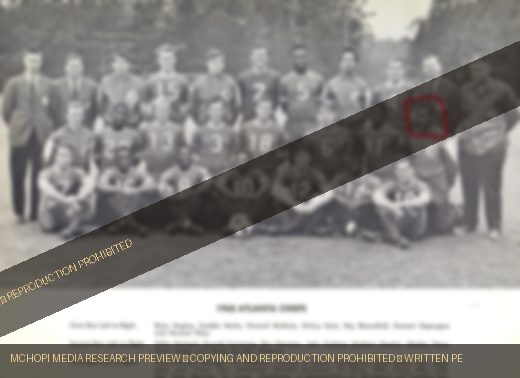
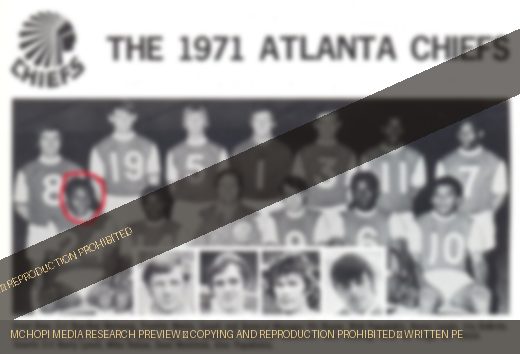

African Soccer Mirror, 1972–1976
The club in its own era's press.

In the Court Record
The collapse, on the court file.
Eight documents in the public record carry the weight of this archive. They track the club's legal and financial position from the boardroom to the sheriff's return — and the dates do not flatter the official story.
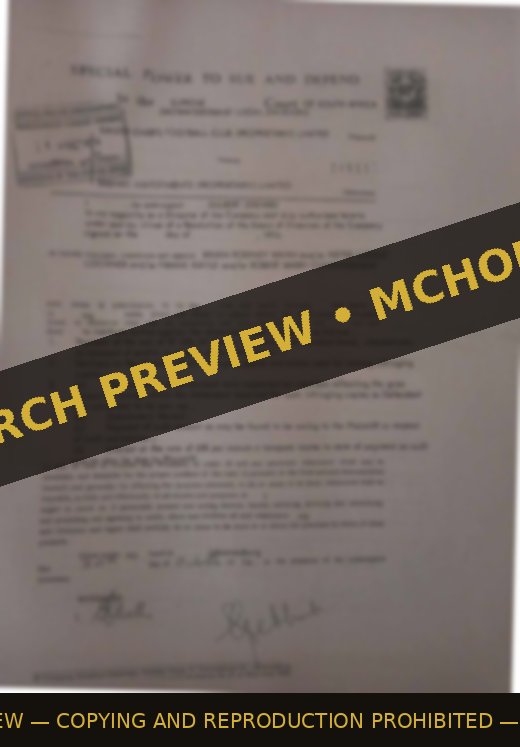
- The Special Power to Sue — 30 October 1974. Kaizer Chiefs Football Club (Proprietary) Limited sued RABMIC Investments for R7,500 over infringing merchandise, on a Special Power to Sue signed by director Gilbert Sekhabi appointing the attorneys Brian Rodney Kahn, Pieter Ludolf Lochner, Frank Kayle and Robert Barry Cunningham. [Evidence E-37]
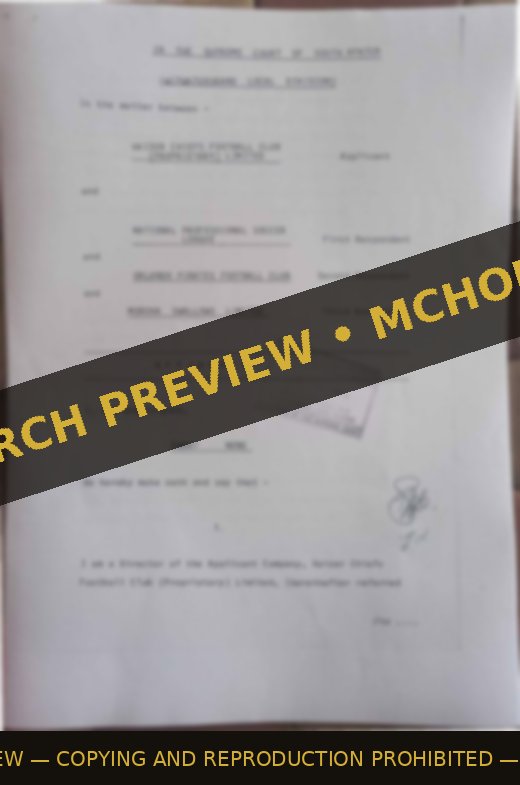
- The founding affidavit — 1974. Nene himself deposed to the founding affidavit of Kaizer Chiefs Football Club (Proprietary) Limited in its Supreme Court action against the NPSL, Orlando Pirates and Moroka Swallows: "I am a Director of the Applicant Company…" [Evidence E-40]
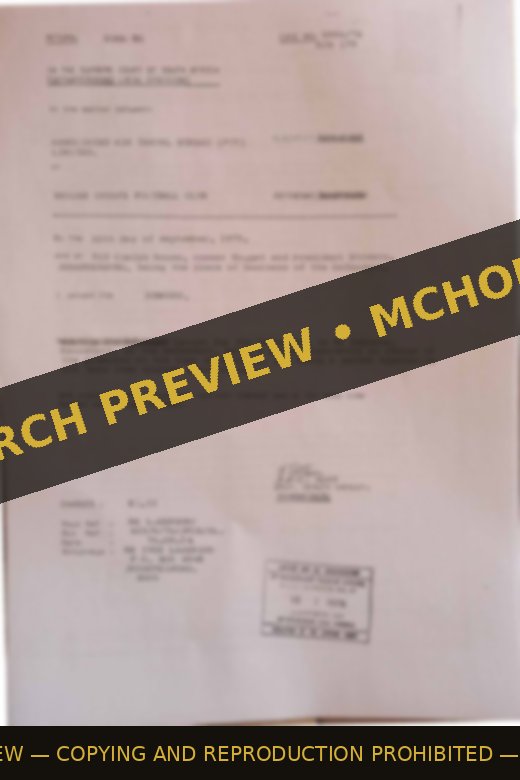
- The summons — September 1976, one month after his death. In Associated Air Travel Bureau (Pty) Ltd v Kaizer Chiefs Football Club (Case 9884/76), claiming R4,005.38, the summons was served at 513 Conlyn House — the office address on Nene's own business card. The plaintiff's attorney of record: Ivor Lazerson. [Evidence E-38]
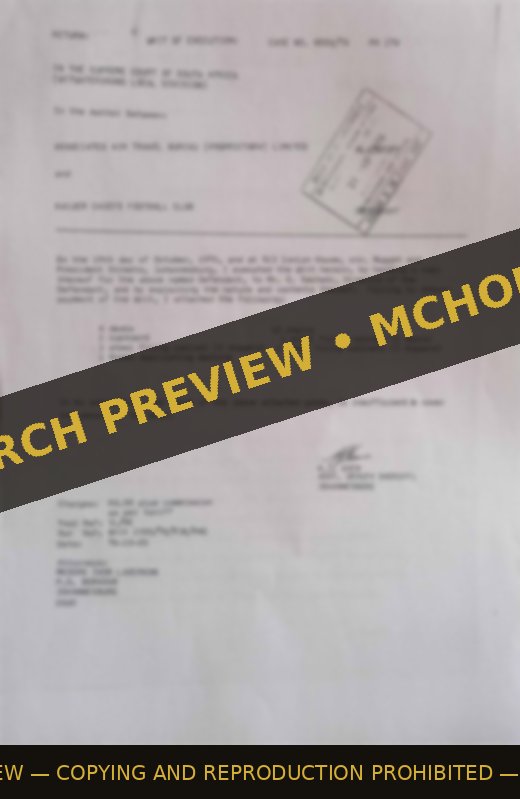
- The writ and the office furniture — 19 October 1976. Ten weeks after his death, the Deputy Sheriff executed the writ and attached the club's office furniture — desks, chairs, filing cabinets and the duplicating machine — recording that the goods were insufficient to cover the debt. [Evidence E-39] Months later, Nene's estate inventory would list "MONIES DUE FROM KAIZER CHIEFS (PTY) LTD" as a claim in favour of the estate. [Evidence E-03]
- The Certificate of Appointment — 24 January 1977. The Bantu Affairs Commissioner appointed "MR. IVOR LAZERSON, ATTORNEY OF JOHANNESBURG" to represent Nene's intestate estate. [Evidence E-41]
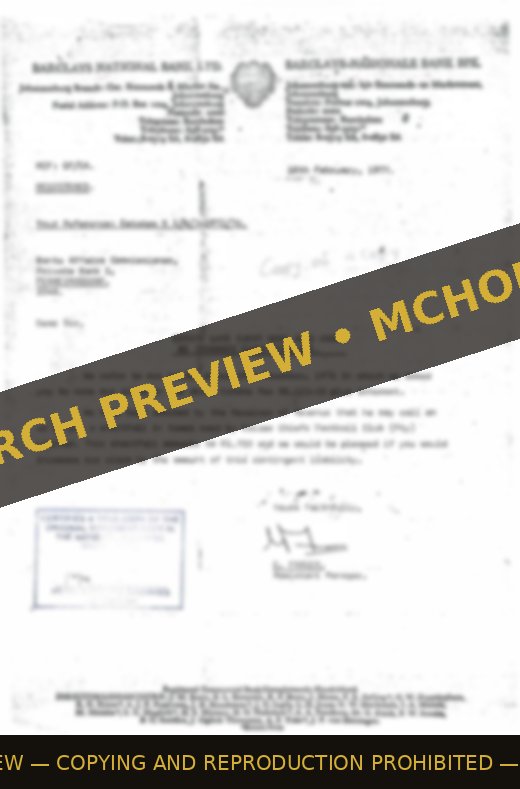
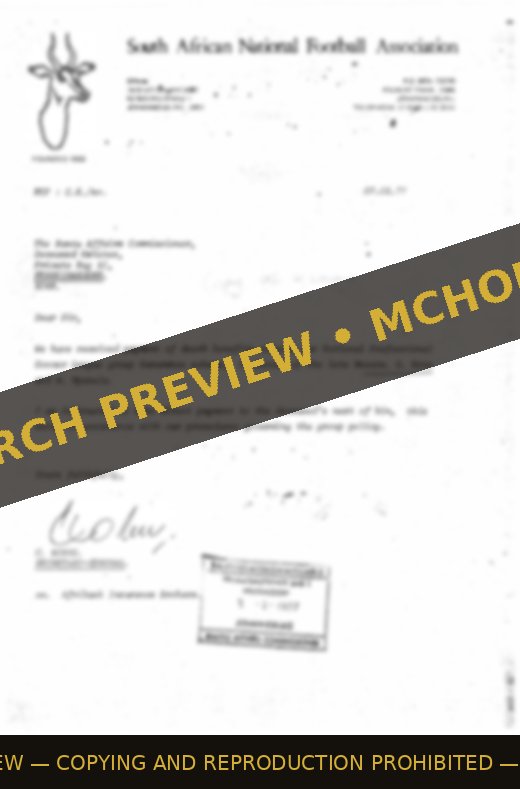
- The claims against the estate — December 1976 to February 1977. The club's 1974 attorney, Brian Kahn, claimed R875 from the estate four months after Nene's death [Evidence E-42]; Barclays National Bank noted its own claim and a potential call for the club's R1,733 tax shortfall [Evidence E-43]; and SANFA confirmed death benefits had been paid under the NPSL group insurance scheme in favour of the late E. Nene — with instruction to pay the next of kin [Evidence E-44]. What the file does not show is where those benefits were ultimately paid.
- The Judge's claim — February 2022. The club presented Ratha Mokgoatlheng, now a Judge of the High Court, as a "Kaizer Chiefs founding father". His claim stands against the club's own 2009 interview, in which Thomas "Zero" Johnson named five men at the founding decision — "myself, Kaizer and Ratha (Mokgoatlheng), Msomi Khoza and the late Ewert Nene" [Evidence E-45] — and against the sworn 1974 affidavit identifying Nene as a director of the company [Evidence E-40], and against CIPC's own 2025 archive search, which found no registration before 1997 [Evidence E-07]. [Evidence E-46]
- The attorneys on both sides of the record. Two names appear in files where their clients' interests were opposed: Ivor Lazerson — attorney of record for the club's judgment creditor in September–October 1976 [E-38], and four months later the officially appointed representative of Nene's estate [E-41]; and Brian Kahn — the attorney the club appointed to litigate for it in 1974 [E-37], and a claimant against Nene's estate for R875 in December 1976 [E-42]. Whether the same attorneys should have appeared on both sides of these records is a question the documents put on the table. This archive does not answer it — it documents it.


In the Period Press
What the record said while he lived.

The Published Narrative
Which version of "founder"?
Later profiles describe Judge Ratha Mokgoatlheng as a founder or co-founder of Kaizer Chiefs. The earlier record — including the club's own published interviews — tells a wider story, in which Ewert Nene is present at the founding decision itself.
In 2009, the club published Thomas "Zero" Johnson's recollection of how Kaizer Chiefs began: "myself, Kaizer and Ratha (Mokgoatlheng), Msomi Khoza and the late Ewert Nene decided to form a club." [Evidence E-45] Nene is named inside the founding group — not as a bystander, but as one of the five who made the decision.
In February 2022, the club presented Mokgoatlheng as a "Kaizer Chiefs founding father". In that same interview, Mokgoatlheng remembered Nene personally and specifically — recalling that Nene spotted Patrick "Ace" Ntsoelengoe in Randfontein in 1969. [Evidence E-46] His own account confirms direct knowledge of Nene's formative role.
And in 1974, the sworn Supreme Court record identifies Nene as a director of Kaizer Chiefs Football Club (Proprietary) Limited, deposing to the company's founding affidavit: "I am a Director of the Applicant Company…" [Evidence E-40]
The question the record asks
If Mokgoatlheng knew Ewert Nene was there at the beginning — and publicly remembered Nene's formative role — and if the 1974 court record identifies Nene as a director of the company, how and when did the narrative evolve into one in which Mokgoatlheng is described as a founder while Nene's corporate role largely disappears?
This archive does not accuse. It places published accounts and contemporaneous documents side by side, and lets the record put the question.
And through all of it — the founding-father profiles, the 56th-birthday celebrations, the claims reaching back to 1969 — one document has never been produced: a CIPC registration for Kaizer Chiefs in the founding years. CIPC searched its own archive in July 2025, with holdings dating to 1920, and found nothing before 1997. The absence of a located registration in that search is one part of the evidentiary problem; the book and documentary examine it alongside the court, Gazette and corporate records. [Evidence E-07]
The public registry record
The BizPortal registry (CIPC) lists KAIZER CHIEFS SOCCER DEVELOPMENT COMPANY, Enterprise No. M1997017073 — a 1997 entity — with directors Kaizer Motaung and Ratha Mokgoathleng, both now inactive. Separate from M1997019477, the 1997 "Kaizer Chiefs (Pty) Ltd" registration — another company in the post-1976 chain. See the Timeline
The Modern Record
Sello Moloko and the Ewert Nene legacy.
The estate alleges that Sello Moloko obtained or used private Nene family material without informed family authorisation and continued efforts to commercialise Ewert Nene's life story despite formal objections.
These are the estate's allegations, supported by correspondence, provenance records and formal notices held in the controlled archive. They have not yet been finally determined by a court. Mchopi Media will record any substantive response, correction or final legal determination relevant to this statement.
This entry does not reproduce or promote the disputed commercial publication. It records the estate's position concerning consent, archive provenance and the protection of Ewert Nene's legacy.